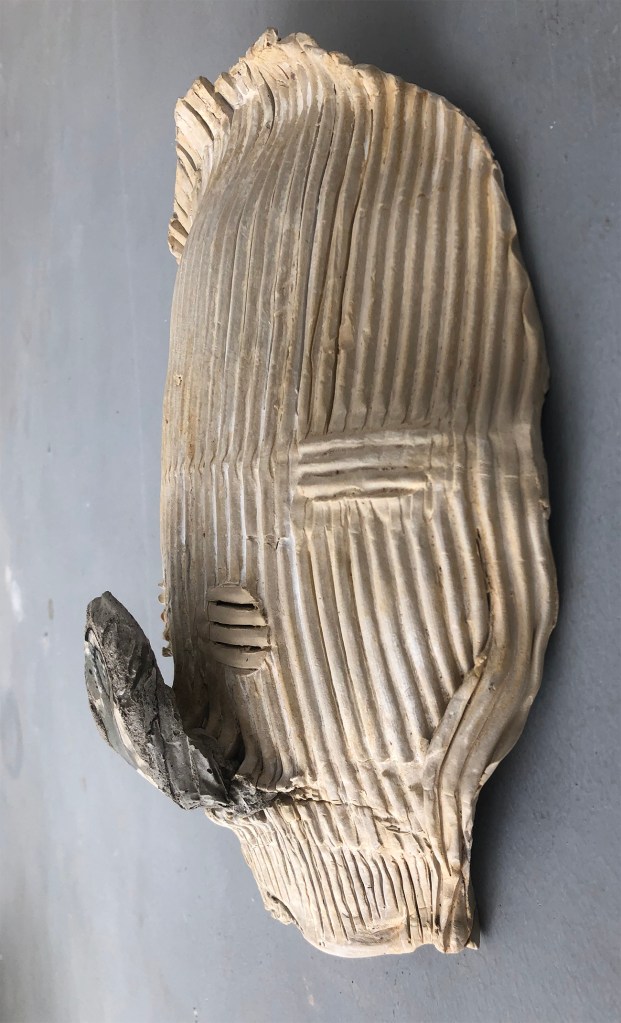
The Right of Masks is a series of clay masks and costumes that uses archival images of protests to embody the ambivalence of the contemporary political status of language.
In Roman law, during carnival and other festivities, like Saturnalia, the user of a mask was granted special rights, for example, the right to say the truth. The masked subject would be closer to, or possessed by, a divinity. Therefore its legal status was, temporarily, more than human.
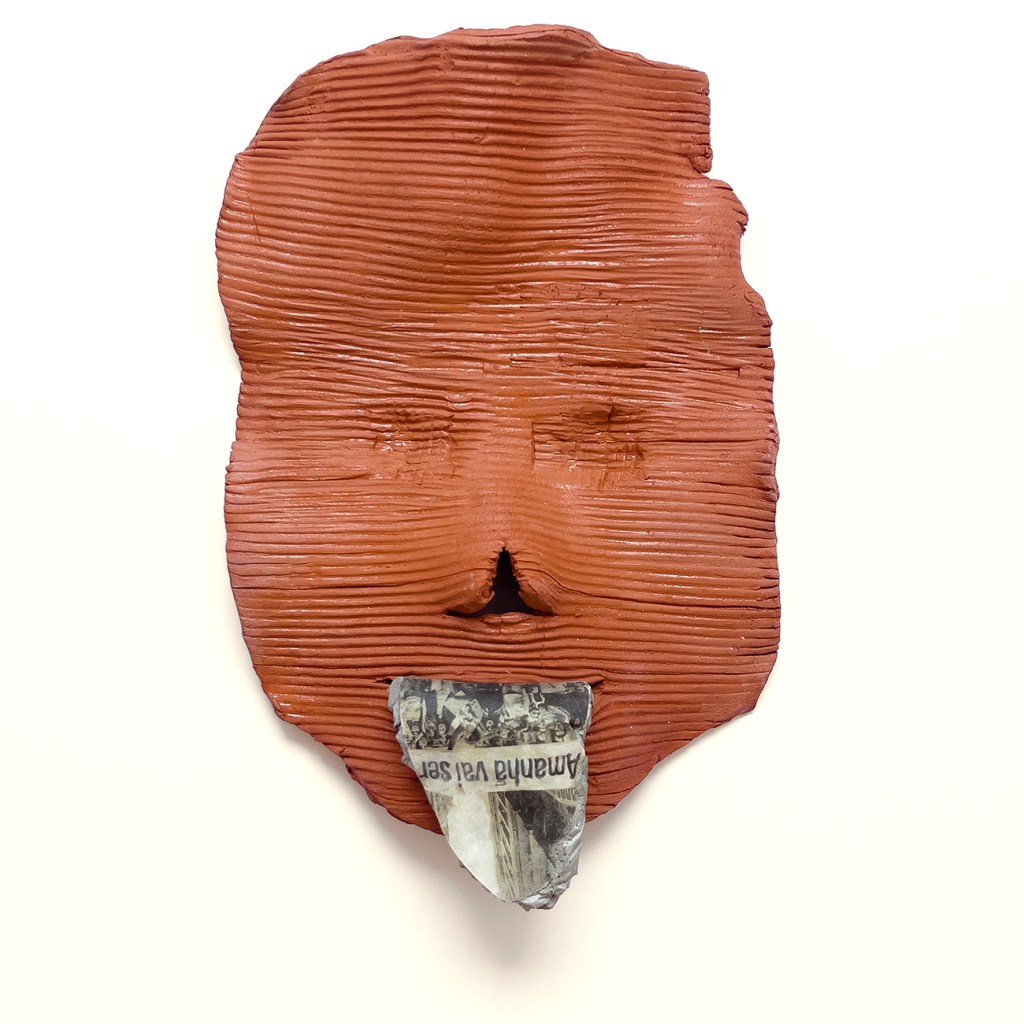
The tongue of the first mask reads in Portuguese “Tomorrow Will Be,” a famous slogan during the protests against the Brazilian dictatorship.
The mask is named after the very first Western political painting, a fresco in Siena, that symbolizes good government and bad. Here, good is associated with a better future, suggesting that government is less about administering than about inspiring social desire.
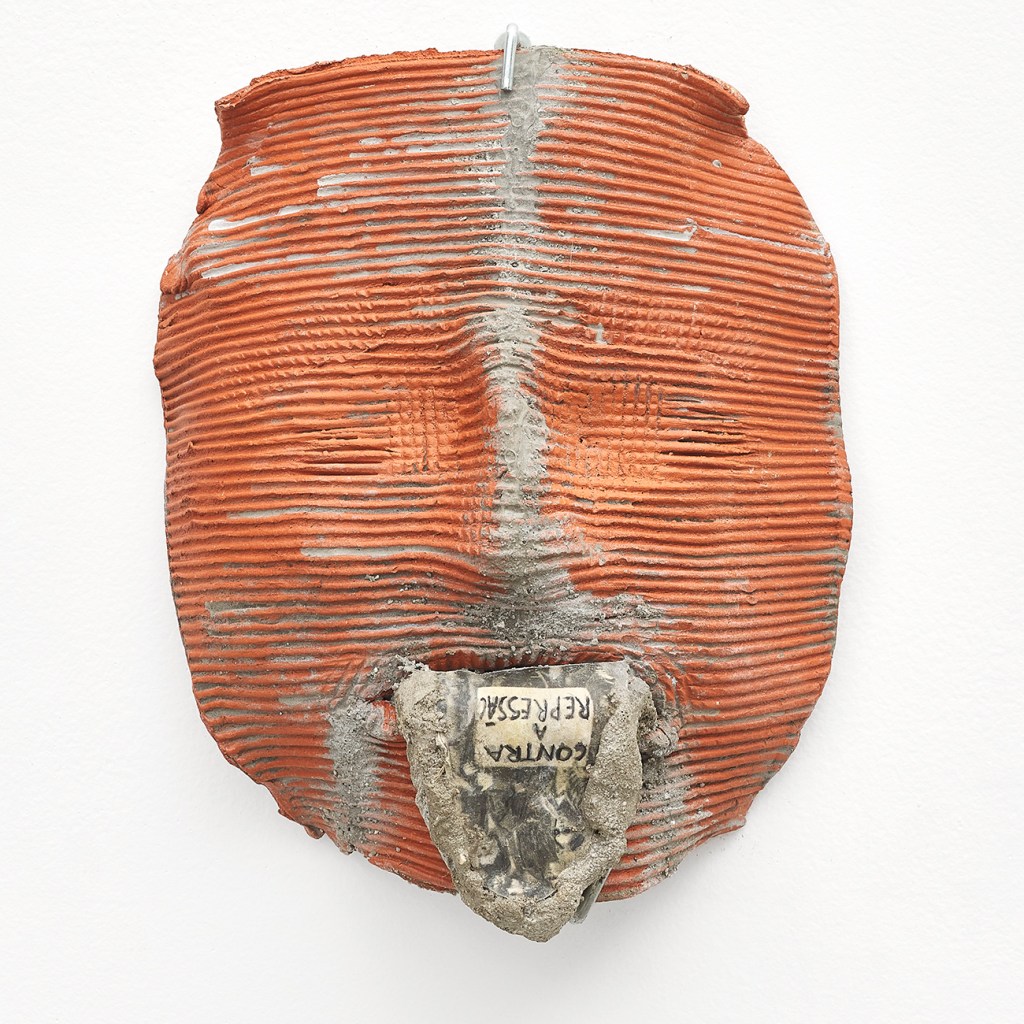
30 x 18 x 5 cm, 2025)
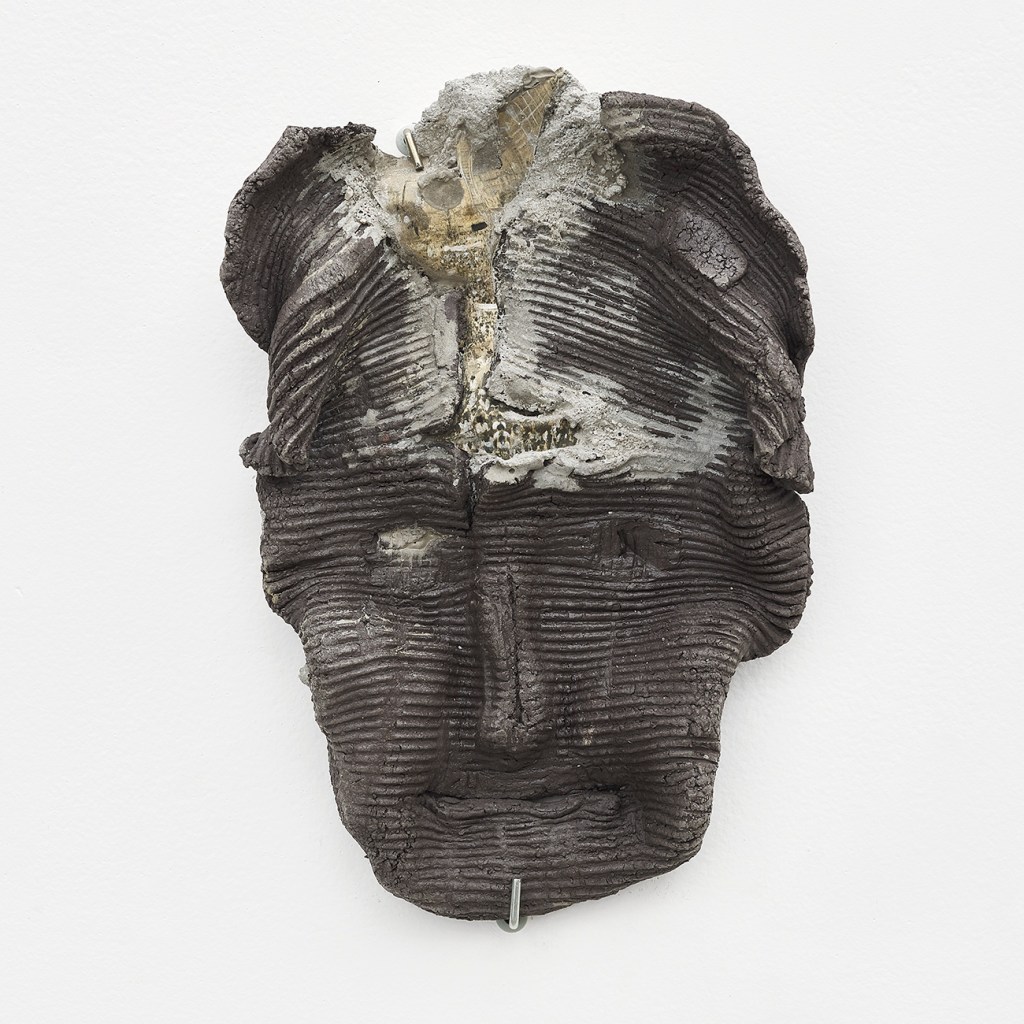
Poet and Multitude (concrete, clay, paper and Indian ink,
32 x 18 x 5 cm, 2025)
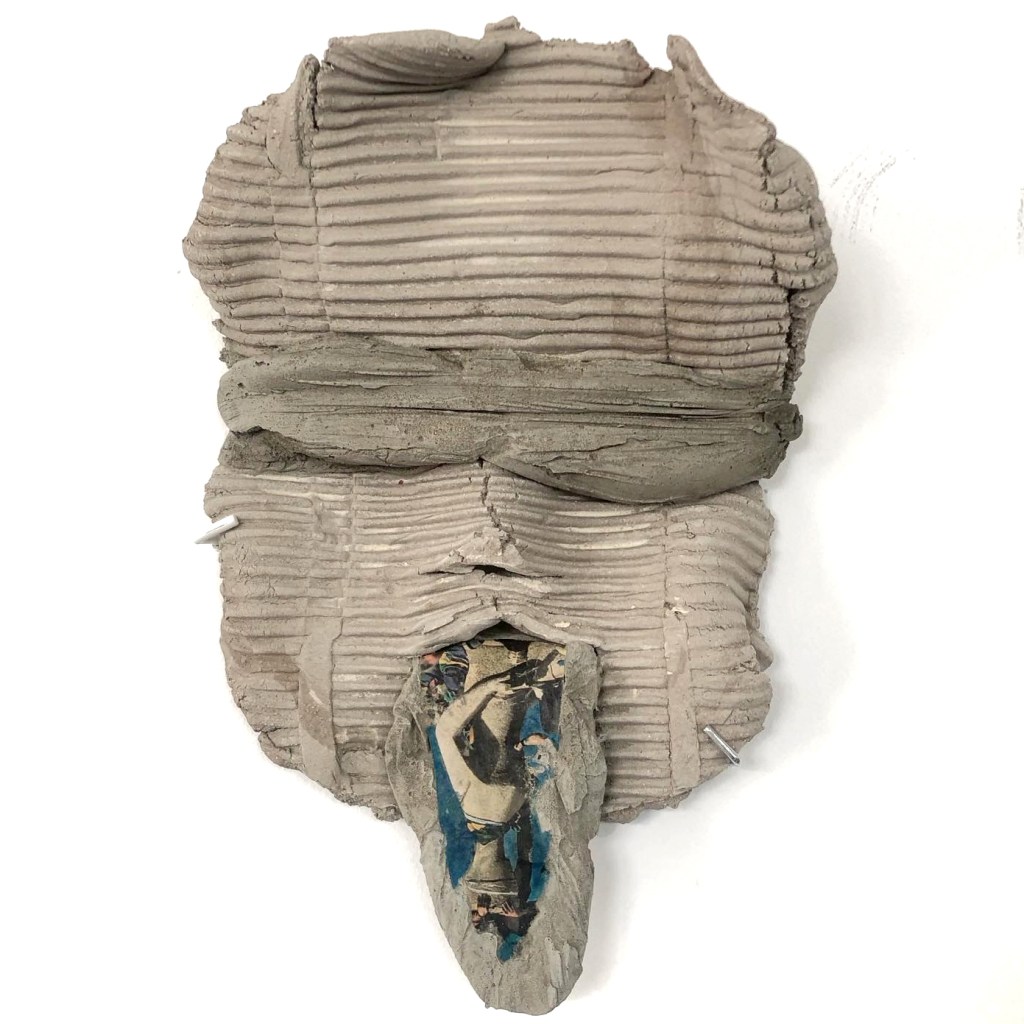
35 x 20 x 5 cm, 2025)
The image on this tongue is from the sculpture Justice, by Alfredo Ceschiatti, which stands in front the Brazilian Supreme Court. In January 8th it was vandalized during a coup attempt that tried to overthrow election results.
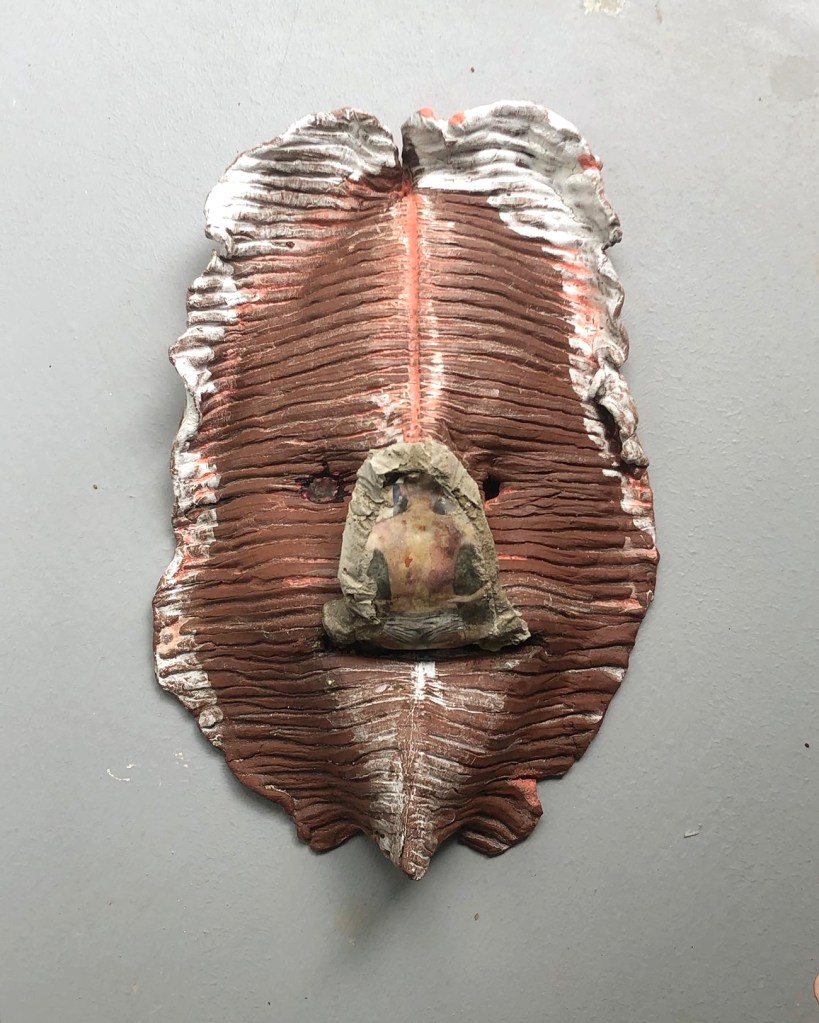
34 x 20 x 5 cm, 2025)
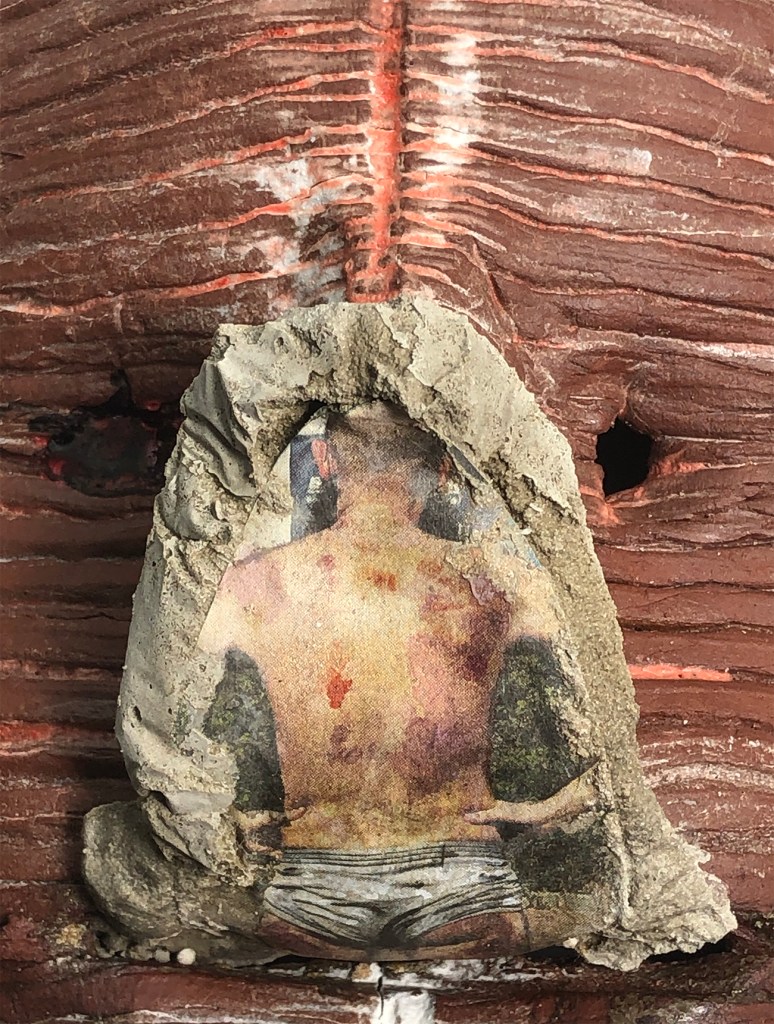
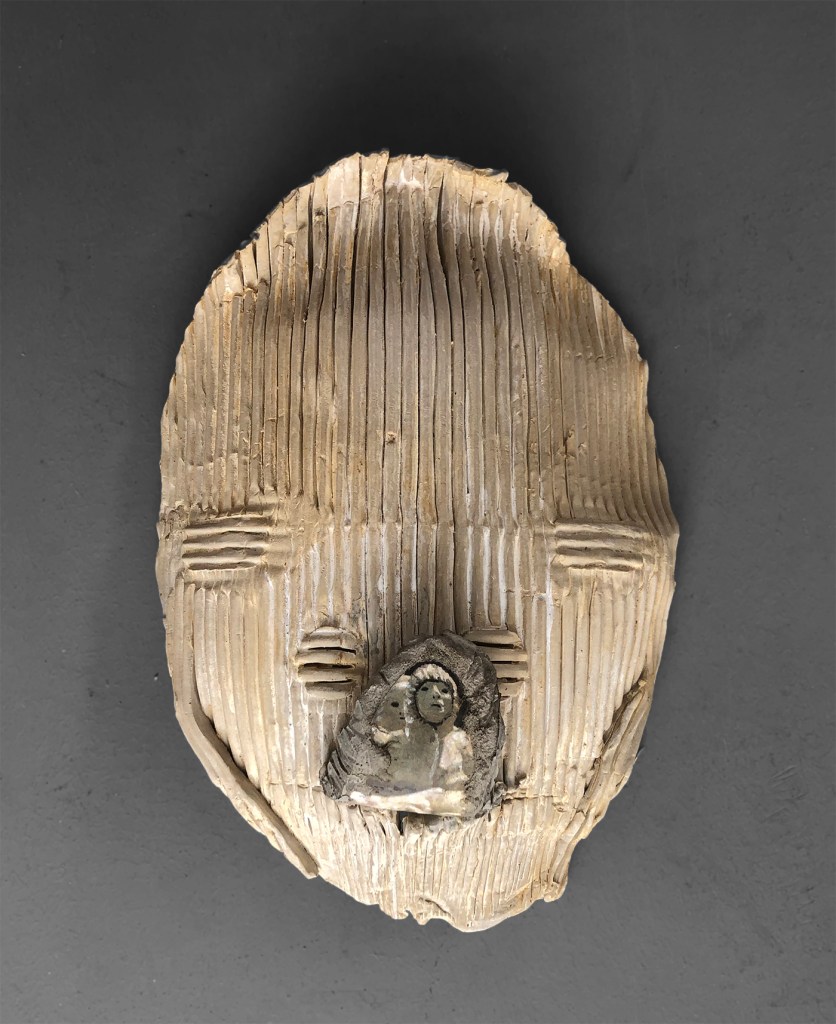
36 x 22 x 6 cm, 2025)
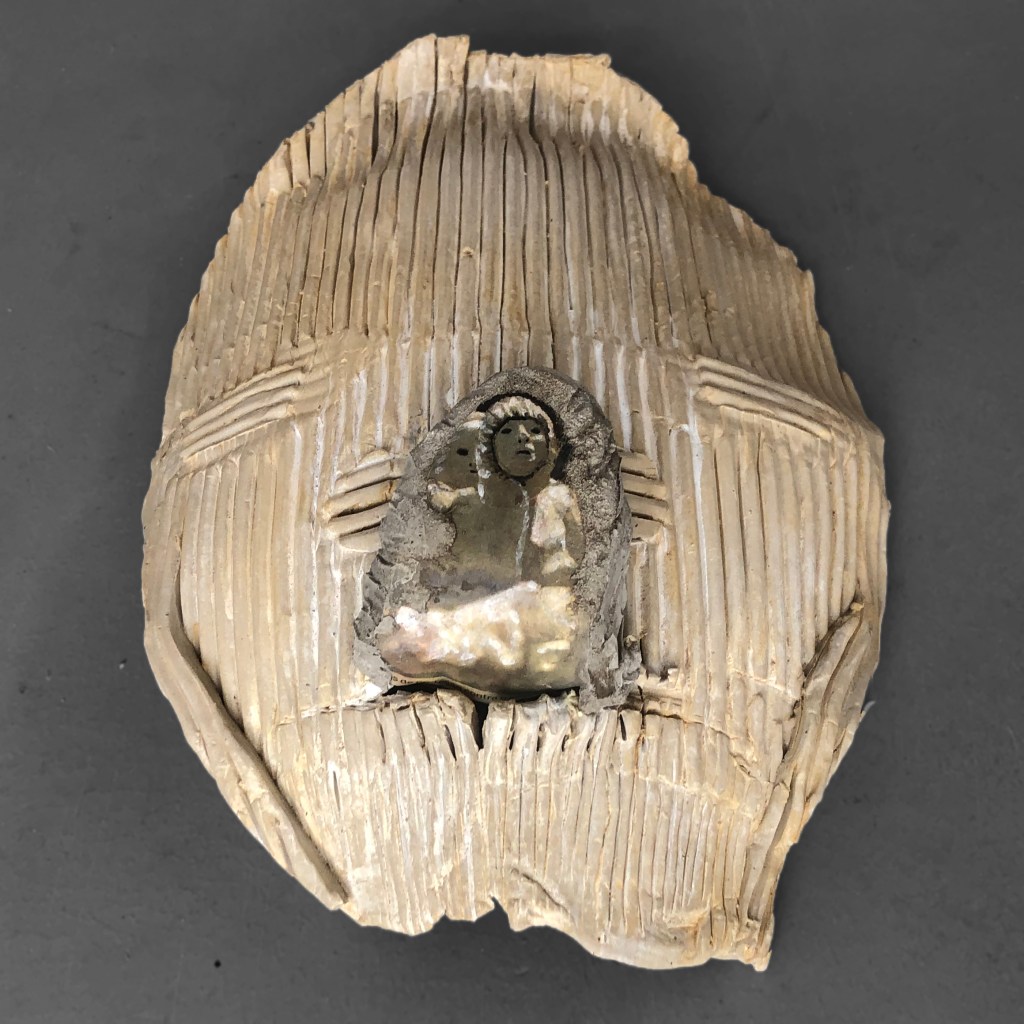
 matheus rocha pitta